
Now showing
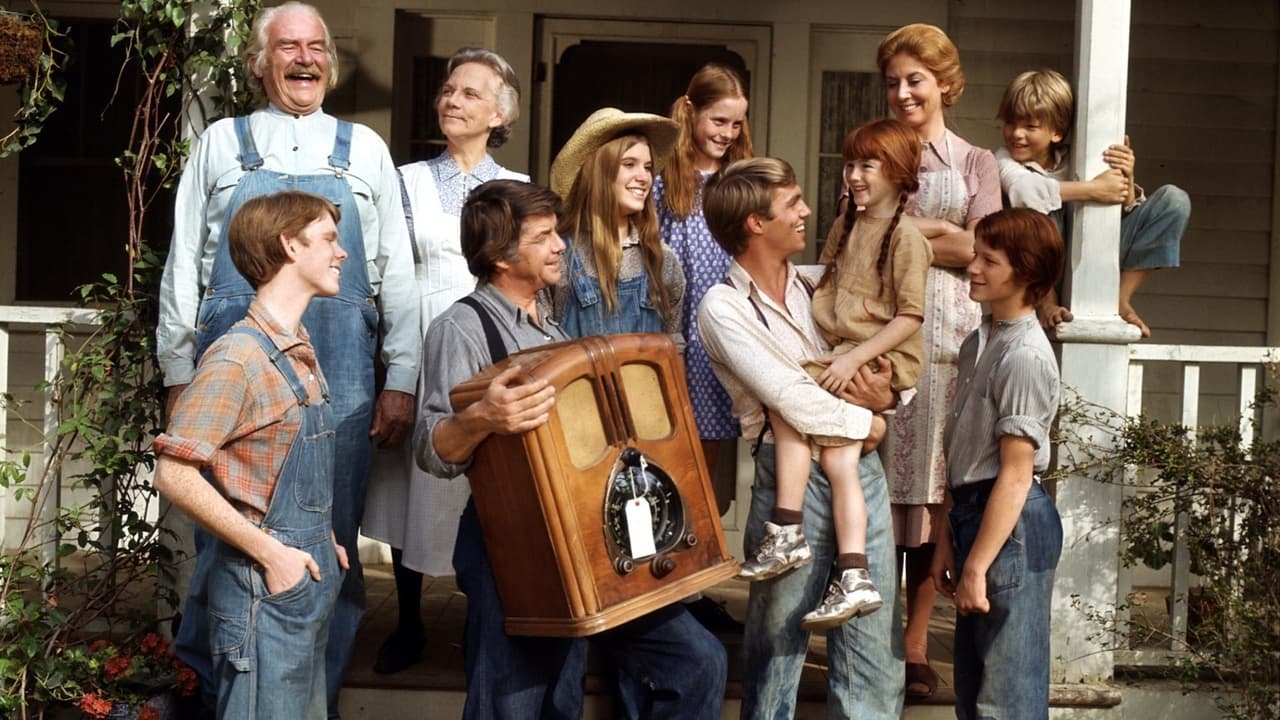
The Waltons
The Waltons live their life in a rural Virginia community during the Great Depression and World War II.
Story and seasonsCinemove
192 television series in English, 1962 to 2026, chosen for the whole household.
Channel guide













The Cinemove guide to television series
Cinemove: television series for the whole household, from The Waltons, The Mary Tyler Moore Show and Blackadder to Only Fools and Horses, Lark Rise to Candleford and Dickinson
Television at its best is a companion. A good series comes back week after week, or evening after evening, with people the audience has grown fond of: a family on a mountain in Virginia, a newsroom in Minneapolis, two brothers with a three-wheeled van in south London, the servants and masters of a house in Belgravia. Over sixty years the English-speaking world has made thousands of series, and a surprising number of them can still be found. Cinemove is a guide to 192 of them, first shown between 1962 and 2026. Each has its own page, its story, its cast, a list of its seasons and episodes, and a Watch now button that leads to the official services carrying it in your country.
The catalogue has been chosen for the whole household. Every summary was read by hand, and the selection favours situation comedy, family drama, period drama, hospital series, gentle science fiction and programmes for young viewers. Police and crime dramas, reality programmes, soaps and comedy meant for adults were left out. What remains includes a news producer who can turn the world on with her smile, a snob who insists that her surname is pronounced Bouquet, a schemer who has wriggled through four centuries of English history, and a young poet of Massachusetts who refuses to behave as a young lady of 1850 should.
The series are arranged here much as the home page arranges them, as channels: American sitcoms old and new, British comedy, period drama, programmes for the young, and so on. Three are proposed for a first evening, and the later sections explain seasons and episodes, search and My List. All series titles are links, and the text is in English for viewers anywhere.
What Cinemove offers
Cinemove is a viewing guide. Each of its 192 series pages carries a poster, a still, the story in a paragraph, the years of broadcast, the principal cast, and a list of seasons with the number of episodes in each. Beneath them sits one button, Watch now, which opens JustWatch for the country you select and shows the subscription, rental, purchase and free services that carry the series there. The guide itself holds pages of information, and the playing of every episode happens on those official services.
By kind, 132 of the series are comedies and eighty-five are dramas, with some belonging to both. Thirty-six are classic American sitcoms from before 2000 and thirty-eight are comedies made since; twenty-four are British comedies. Thirty-seven are period dramas, twenty-seven are for young viewers, twenty-five are science fiction or fantasy, sixteen are set in hospitals and fourteen are sketch or panel shows. A hundred are set chiefly at home and sixty-three chiefly at work. Fifty-six are complete in a single season, and thirty-seven ran for seven seasons or more.
By decade, twenty-nine series began before 1980, twenty-two in the eighties, twenty-five in the nineties, thirty-two in the 2000s, sixty-three in the 2010s and twenty-one since 2020. A hundred and twelve come from the United States, sixty-five from the United Kingdom and the rest from Canada and Australia. The home page shows one featured series on the screen of a drawn television set, and beneath it a channel guide of seven rows, each a numbered colour block with five posters beside it.
A first evening
Three series make good first choices. The Waltons ran for nine seasons from 1972. It is set on a mountain in rural Virginia during the Depression of the thirties and the years that followed, where John and Olivia Walton raise seven children in a white wooden house with both grandparents under the same roof, and keep a sawmill going in hard times. The eldest son, John-Boy, wants to be a writer, and each episode is framed as one of his recollections. The stories are small, a lost job, a visiting relative, a first dance, and the series ends each night with the family calling good night to one another from room to room as the lamps go out. It remains the model of the family drama.
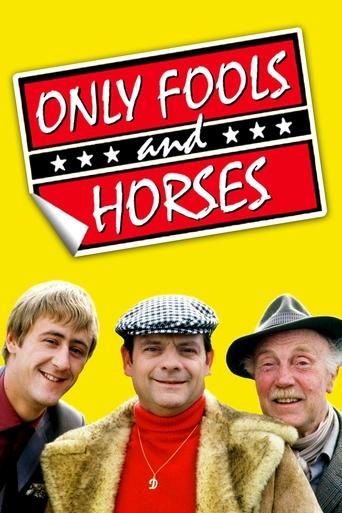
Only Fools and Horses is the best-loved comedy in British television history. Derek Trotter, known as Del Boy, is a market trader in Peckham who sells whatever falls his way from a suitcase, and lives in a council flat with his lanky younger brother Rodney and their grandfather, later their uncle. Del is certain that this time next year they will be millionaires. John Sullivan wrote every episode between 1981 and 2003, and as the years passed the series grew from a comedy of get-rich-quick schemes into something richer, a portrait of a family that has only itself to rely on. David Jason's Del is one of the great comic creations.
Lark Rise to Candleford ran for four seasons from 2008. It is drawn from Flora Thompson's memories of an Oxfordshire childhood in the eighteen-nineties. Laura, a girl from the poor hamlet of Lark Rise, goes to work in the post office of the nearby market town of Candleford, kept by her mother's cousin, the independent Dorcas Lane. Each episode turns on some small collision between the old ways of the hamlet and the new ways of the town. It is handsome, warm and gently funny, with a fine company of actors, and scores 8.4.
Classic American sitcoms
Thirty-six series are American comedies from the sixties to the nineties, and the sitcoms guide sets them out by decade. The half-hour situation comedy, filmed before an audience on two or three sets, is one of the great inventions of American popular culture. Lucille Ball, who had perfected the form in the fifties, is here in The Lucy Show, from 1962, and Here's Lucy, from 1968, still falling into vats and getting stuck in windows with complete conviction. Green Acres sends a New York lawyer and his glamorous wife to a ramshackle farm among neighbours whose logic is entirely their own, and Gomer Pyle, U.S.M.C. puts a sweet-natured country boy under the command of a sergeant with a short fuse. That Girl, from 1966, was among the first comedies about a young woman living on her own in the city.
That idea reached its peak in The Mary Tyler Moore Show, which ran from 1970 to 1977. Mary Richards, thirty and single, moves to Minneapolis and talks her way into a job as associate producer of the evening news at a small television station. Her colleagues, the gruff news chief Lou Grant, the vain and dim newsreader Ted Baxter and the dry writer Murray, and her neighbour Rhoda, became some of the best-drawn characters in comedy. The writing was sharp, adult in the best sense and kind, and the series won more Emmy awards than any before it. Its neighbour on the schedule, The Bob Newhart Show, cast the master of the hesitant telephone call as a Chicago psychologist; ten years later Newhart moved him to an inn in Vermont, and gave television its most famous last scene.
The seventies also produced the workplace ensemble. Barney Miller stays inside the squad room of a New York station house, where a patient captain presides over a parade of eccentrics, and WKRP in Cincinnati is set at a struggling radio station that has switched overnight to rock music. Norman Lear's comedies brought working families to the screen: Good Times, about the Evans family in a Chicago housing project, and Sanford and Son, with Redd Foxx as a Los Angeles junk dealer forever feigning a heart attack to keep his son at home. The second was adapted from a British series that is also in the catalogue, Steptoe and Son, and the two make an instructive pair.
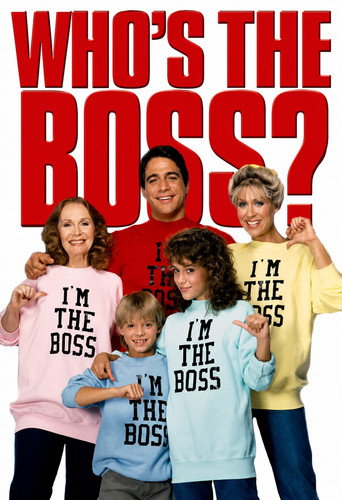
The eighties favoured the family and the unlikely household. Who's the Boss? installs a former baseball player as housekeeper to an advertising executive in Connecticut. Growing Pains has a psychiatrist father working from home, Kate & Allie two divorced friends raising their children under one roof, and My Two Dads a girl of twelve with two guardians. The Facts of Life follows the girls of a boarding school and their housemother for nine seasons. Night Court takes place on the night shift of a Manhattan courtroom under a young judge who loves magic tricks. Benson rises from butler to lieutenant governor, Mama's Family began as a sketch, Perfect Strangers pairs a Chicago clerk with a cousin newly arrived from a small Mediterranean island, and Designing Women sets four quick-tongued partners in a decorating firm in Atlanta.
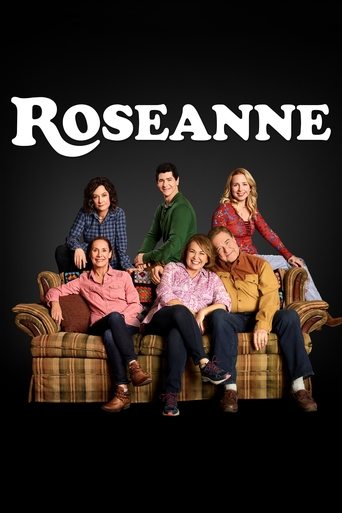
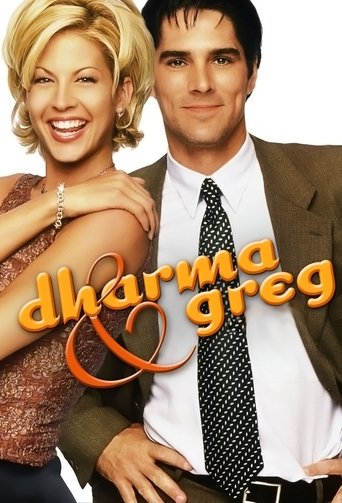
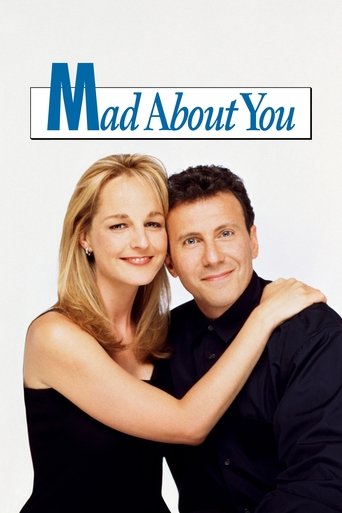
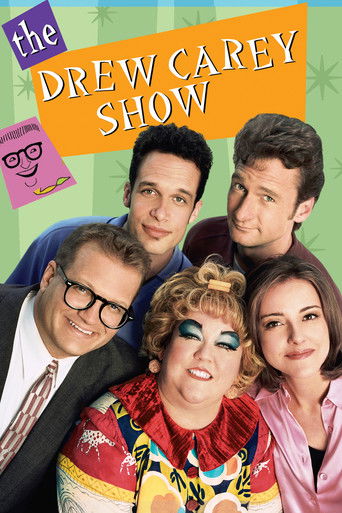
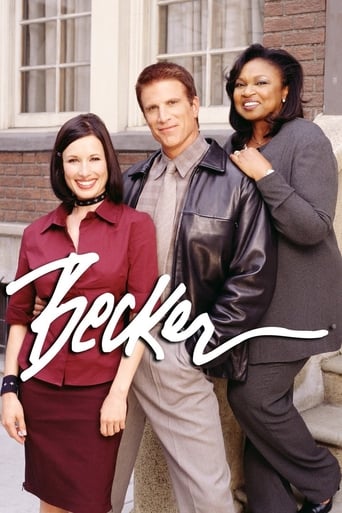
The nineties brought a more conversational style. Murphy Brown, with Candice Bergen as a formidable television journalist, ran for ten seasons from 1988, and Roseanne, from the same year, put a factory worker, her husband and their three children at the centre with a frankness about money that was new. Wings is set at a tiny airport on the island of Nantucket, where two brothers run a one-plane airline. Coach follows a college football coach in Minnesota. Mad About You observes a newly married couple in New York, a film-maker and a publicist, with unusual truthfulness about small domestic matters. Living Single gathers six friends in a Brooklyn brownstone, The Drew Carey Show an office worker and his friends in Cleveland, and Dharma & Greg a free-spirited yoga teacher and a buttoned-up lawyer who marry on their first date. Just Shoot Me! is set at a fashion magazine, Becker in the surgery of a grumpy doctor in the Bronx, and The Steve Harvey Show and The Wayans Bros. round out the decade.
Modern comedy
Thirty-eight comedies have been made since 2000, and the modern comedy guide introduces them. Family comedies still lead. Reba stars the country singer Reba McEntire as a Texas mother holding her household together after a divorce. George Lopez is built around a factory manager in Los Angeles, his wife, his children and his sharp-tongued mother. One Day at a Time, from 2017, remakes a comedy of the seventies with a Cuban-American family: a mother who served as an army nurse, her two teenagers, and a grandmother played with tremendous relish by Rita Moreno. Family Reunion moves a family from Seattle to the grandparents' home in Georgia, and Grounded for Life and Yes, Dear are about young parents doing their imperfect best.
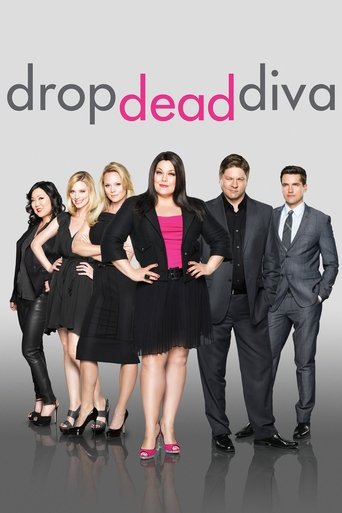
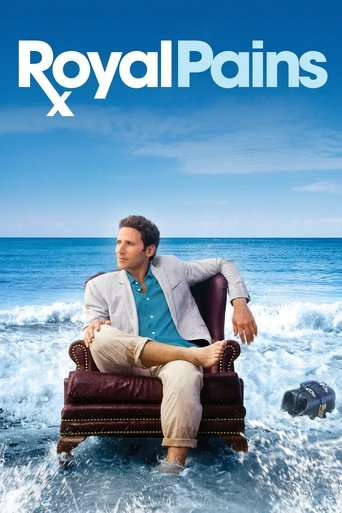
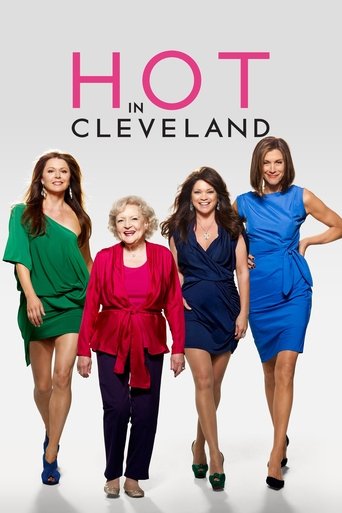
Other comedies follow friends and colleagues. Hot in Cleveland strands three glamorous women from Los Angeles in Ohio, where they rent a house that comes with a caretaker played by Betty White. The New Adventures of Old Christine gives Julia Louis-Dreyfus a divorced mother whose former husband has found a younger woman with the same name. Go On puts a sports broadcaster in a support group, Animal Control rides with the officers who rescue raccoons and ostriches, Outsourced sends an American manager to run a call centre in Mumbai, and Bob Hearts Abishola is a courtship between a Detroit sock manufacturer and his Nigerian nurse. Drop Dead Diva is a legal comedy with a fantasy premise, and Royal Pains a sunny series about a doctor to the summer residents of Long Island.
Australia and Canada contribute some of the best. Fisk, from 2021, stars Kitty Flanagan as a contracts lawyer who takes a job at a shabby suburban firm specialising in wills, and has very little talent for soothing the bereaved. Upright sends a musician, played by Tim Minchin, across the Australian desert with an upright piano on a trailer and a teenage runaway for company. From Canada come Slings & Arrows, a much-admired comedy set at a Shakespeare festival, each season built around one play, and The Red Green Show, in which the handyman of a northern lodge demonstrates what can be done with duct tape.
British comedy
Twenty-four series are British comedies, and the British comedy guide offers a way in. British sitcoms are short, usually six episodes a year, and written by one or two people from first line to last, which gives the best of them a distinct voice. Steptoe and Son, which began in 1962, set the pattern: a rag-and-bone man and his grown son, bound together in a junk yard in west London, the son forever planning his escape and the father forever foiling it. It was the first sitcom to find real sadness beneath the laughter.
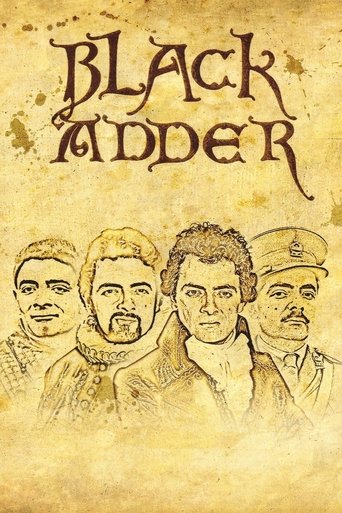
Blackadder ran for four series between 1983 and 1989, each set in a different period of English history. Rowan Atkinson plays successive members of one family, a medieval prince, an Elizabethan courtier, a Regency butler and an army captain, each cleverer than those around him and each cursed with the same dim servant, Baldrick, and his cunning plans. The scripts, by Richard Curtis and Ben Elton, are dense with invective of a very high order, and the cast includes Stephen Fry, Hugh Laurie and Miranda Richardson. It scores 8.0, and the final episode is among the most admired in television.
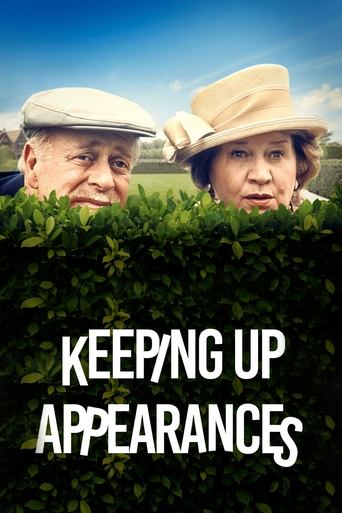
The comedy of social aspiration is a national speciality. In Keeping Up Appearances, Hyacinth Bucket, who answers the telephone as the Bouquet residence, devotes her formidable energy to impressing the neighbours with candlelight suppers while her less polished relations keep turning up at the door. In To the Manor Born, a widow obliged to sell her country house moves into the lodge at its gates and keeps a close eye on the wealthy grocer who has bought it. You Rang, M'Lord? is set above and below stairs in the twenties. The Fall and Rise of Reginald Perrin follows a suburban executive at a dessert company who has had enough, and The Brittas Empire a leisure centre manager whose good intentions cause daily catastrophe.
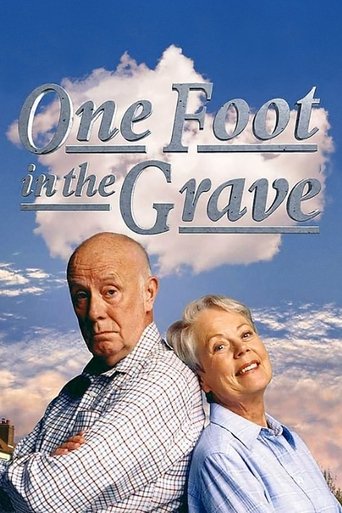
Gentler comedies have lasted just as well. As Time Goes By, with Judi Dench and Geoffrey Palmer, reunites two people who were in love thirty-eight years earlier and lost touch through a letter that went astray. One Foot in the Grave makes a hero of Victor Meldrew, retired against his will and at war with the modern world. In Some Mothers Do 'Ave 'Em, the well-meaning Frank Spencer wrecks every job he is given, with Michael Crawford performing his own alarming stunts. Drop the Dead Donkey is set in a television newsroom and was written days before broadcast to include the week's events.
Recent British comedy is quieter and often very touching. Mum, with Lesley Manville, follows a newly widowed woman through a year, month by month, as her family and her late husband's best friend come and go from her kitchen. Here We Go is filmed as if by the teenage son of an ordinary, chaotic family. Back reunites David Mitchell and Robert Webb as a man who inherits his father's pub and the charming former foster brother who reappears to share it. Early Doors stays inside a small Manchester pub and its regulars. Starstruck is a romantic comedy about a young New Zealander in London and a film star, and Still Up about two friends who keep each other company by telephone through sleepless nights.
Sketch and panel shows
Fourteen series are sketch comedies or panel games, and the sketch and panel guide lists them. Monty Python's Flying Circus, which ran from 1969 to 1974, changed comedy for good: sketches that stopped when they had run out of steam instead of reaching for a punchline, linked by Terry Gilliam's cut-out animations, performed by six writers who went on to make famous films. It scores 8.3 and still surprises. The Two Ronnies offered a more traditional and equally skilful mixture of wordplay, songs and mock news for sixteen years; The Goodies were three friends on a three-seater bicycle who would do anything, anywhere; and Second City Television, from Canada, launched John Candy, Eugene Levy and Catherine O'Hara.
The panel game is a British institution. Taskmaster, from 2015 and scoring 8.3, has five comedians compete over a series in absurd practical challenges set by a stern host and his meek assistant, and is one of the most reliably joyful programmes of recent years. In Would I Lie to You?, two teams tell improbable stories about themselves and the others must judge which are true. Whose Line Is It Anyway? is pure improvisation from audience suggestions. For younger viewers there are All That, an American sketch show performed by children, and Mandy, a series of ten-minute farces. The Goes Wrong Show presents the plays of an amateur drama society in which every set, prop and cue fails, and Mystery Science Theater 3000 has a man and two robots talk back to old films.
At work
Sixty-three series are set chiefly in a place of work, and it is striking how many kinds of workplace television has found funny or dramatic. Newsrooms recur: the Minneapolis station of The Mary Tyler Moore Show, the Washington magazine programme of Murphy Brown, the London newsroom of Drop the Dead Donkey and the Melbourne one of The Newsreader make a history of broadcast journalism in themselves. So do schools, from Grange Hill to Big School, a staff-room comedy with David Walliams as a chemistry teacher hopelessly devoted to the new French mistress. Courtrooms appear in Night Court and Judging Amy, shops in Mr Selfridge, and the theatre in Slings & Arrows and The Goes Wrong Show.
The appeal of the workplace series is the company it offers. A good one assembles six or seven people who would have little to do with each other by choice and lets them rub along for years. WKRP in Cincinnati has its smooth salesman, its burned-out disc jockey and its receptionist who is the cleverest person in the building. Wings has its mechanic and its ticket agent, Coach its bewildered assistant, Animal Control its old hand and its eager recruit. Viewers come to know the routines of the place, the running jokes and the rivalries, and an episode becomes a visit to old colleagues.
At home
A hundred series are set chiefly at home, and the sofa facing the camera is the most familiar piece of furniture in television. The household comedies of the eighties were sometimes mocked for their tidy endings, but they have aged well, because they are about something real: people of different ages learning to share a house. Charles in Charge lodges a college student with a family as their live-in helper. Too Close for Comfort puts a cartoonist's two grown daughters in the flat downstairs. Major Dad marries a Marine officer to a journalist with three girls. Later comedies vary the household and keep the principle: Merry Happy Whatever brings a daughter's new boyfriend home for Christmas, Dad Stop Embarrassing Me! gives Jamie Foxx a teenage daughter, Me, Myself & I visits one man at fourteen, forty and sixty-five, and Pivoting follows three friends who decide to change their lives.
The romantic comedy has its place here as well. Manhattan Love Story lets the audience hear what a new couple are thinking on their first dates. Four Weddings and a Funeral, from 2019, borrows the title and the spirit of a famous film for a story of four American friends in London. Joey follows a well-known character from New York to Hollywood. Running Wilde pairs a spoiled heir with the idealistic girl he loved as a boy, Partners two lifelong friends who run an architecture practice, and Abby's is set in a bar that a former soldier keeps in her back garden, with a long list of house rules.
Writers and performers
Television is a writer's medium, and several of the best are well represented. John Sullivan wrote all of Only Fools and Horses. David Renwick wrote One Foot in the Grave; David Nobbs wrote The Fall and Rise of Reginald Perrin from his own novels; Roy Clarke wrote Keeping Up Appearances. Michael Palin and Terry Jones, after Monty Python, wrote Ripping Yarns, nine affectionate parodies of the adventure stories of their boyhood, each set in a different corner of the Empire or the boarding school. Andrew Davies adapted Bleak House, Little Dorrit, Sense and Sensibility, Les Misérables and War and Peace, and his hand can be felt in the pace and humour of all five.
In America the names to follow are those of producers and their companies. The studio founded by Mary Tyler Moore and Grant Tinker made both of her own series and both of Bob Newhart's, and trained a generation of writers who went on to shape the comedies of the eighties and nineties. Norman Lear's company made Good Times and Sanford and Son. The team behind Wings came from one celebrated Boston bar comedy and went on to another set in Seattle. Reading the credits is a good way to find the next series to watch.
Performers are guides as well. Bob Newhart, Lucille Ball and Betty White each appear in two series here, decades apart. Judi Dench, Lesley Manville and Penelope Keith lead British comedies of different generations; Rowan Atkinson, Stephen Fry and Hugh Laurie pass through Blackadder on the way to everything else. Among the young, Hailee Steinfeld in Dickinson and Isabel May in Alexa & Katie are worth following. Every series page lists its principal cast, so that a favourite face can be traced from one programme to the next.
Oddities worth a look
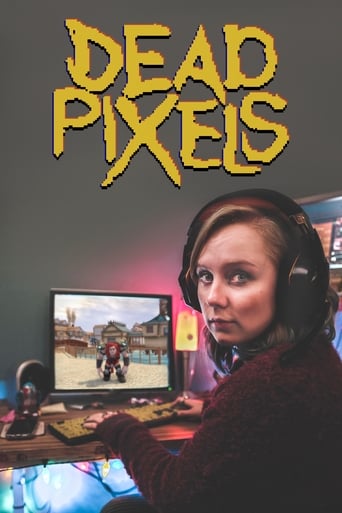
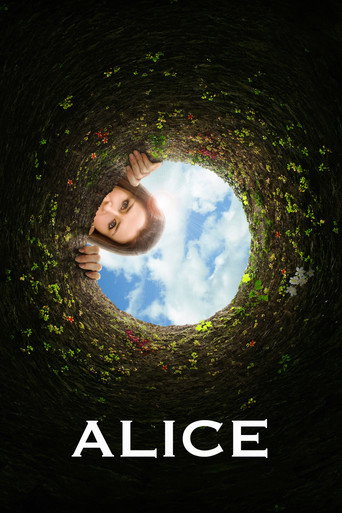
A few series sit outside the channels, which is a recommendation in itself. Rowan & Martin's Laugh-In, from 1968, fired off jokes, catchphrases and one-line cameos at a speed new to television, and made a star of Goldie Hawn. Harry Hill's TV Burp reviewed the week's programmes as surreal comedy. Isis, from 1975, was a Saturday morning adventure about a science teacher with an ancient amulet, and one of the first series to have a woman as its superhero. Saved by the Bell: The College Years followed a set of much-loved school friends to university. Star-Crossed is a romance between a schoolgirl and a visitor from very far away, Alice a two-part reimagining of Wonderland, and Dead Pixels a comedy about three friends who live mostly inside an online game. Him & Her spends four series almost entirely in one small flat with a couple in their twenties who see little reason to leave it.
What all of these share with the famous names is craft. A half-hour of television comedy that looks effortless has usually been rewritten a dozen times and rehearsed for a week, and a classic serial is the work of hundreds of people, from the adapter to the costume makers. Part of the pleasure of an old series is seeing that care survive: the timing of a pause, the detail of a set, a supporting player making the most of three lines. Cinemove is arranged so that such pleasures are easy to find again, whether the series was made last year or sixty years ago, and whether the household has a whole evening to give or twenty-five minutes before bed.
Period drama
Thirty-seven series are period dramas, and the period drama guide arranges them. The serial adapted from a classic novel is something British television does better than anyone, and Jane Austen is its favourite author. Pride and Prejudice, in the five-part version of 1980, is faithful and witty. Sense and Sensibility, from 2008, and Emma, from 2009 with Romola Garai, are both by experienced hands and beautifully cast. Sanditon completes the novel Austen left unfinished, about a seaside resort under construction. Miss Austen, from 2025, turns to her sister Cassandra and the letters she chose to keep or burn, and Lost in Austen is a comedy in which a modern Londoner changes places with Elizabeth Bennet through a door in her bathroom.
Dickens follows close behind. Bleak House, from 2005, was made in half-hour episodes like a serial of his own day, with Gillian Anderson as Lady Dedlock and a huge cast of grotesques around the endless lawsuit at its centre; it scores 8.0 and is perhaps the best of all Dickens adaptations. Little Dorrit, from 2008, has Claire Foy as the girl born in a debtors' prison. Great Expectations and Oliver Twist are shorter and darker in look. Beyond Dickens there are Wives and Daughters, from Elizabeth Gaskell; Vanity Fair, with Olivia Cooke as the irrepressible Becky Sharp; The Forsyte Saga, about three generations of a wealthy London family; Les Misérables, told in six parts with the songs left out; and War and Peace, filmed in the palaces of Saint Petersburg.
Some period dramas are written for television from the start. Upstairs, Downstairs, which ran from 1971 to 1975, follows the Bellamy family and their servants at 165 Eaton Place, London, from 1903 to 1930, and gave equal weight to the drawing room and the kitchen; half the world watched it. A sequel, Upstairs Downstairs, returned to the same address in 1936. Mr Selfridge tells of the American who opened a famous department store on Oxford Street in 1909, and Home Fires of the women of a Cheshire village and their institute at the end of the thirties. A Gentleman in Moscow, from 2024, has Ewan McGregor as a count sentenced to spend the rest of his life inside a grand hotel.
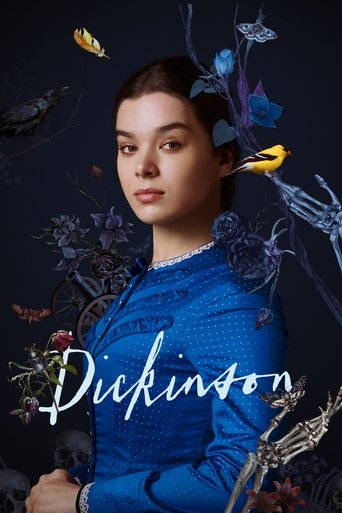
America has its own period stories. Dickinson, the highest scored series here at 8.5, plays the youth of the poet Emily Dickinson as a comedy with modern music and modern speech, and somehow honours the poems all the more for it; Hailee Steinfeld is the star. Little Women, in a three-part version of 2017, has Emily Watson as Marmee. Franklin stars Michael Douglas as the elderly Benjamin Franklin in Paris, and The Right Stuff and The Astronaut Wives Club tell the story of the first American astronauts from two sides. The frontier is the setting of The Virginian, a ninety-minute western that ran from 1962, of How the West Was Won, of the new Little House on the Prairie, and of When Hope Calls, about two sisters who open an orphanage in a prairie town.
Young viewers
Twenty-seven series are made for children and teenagers, and the young viewers guide sorts them by age. For the youngest there is comedy: BUNK'D: Learning the Ropes, set at a summer camp in Maine, and Yonderland, a fantasy with puppets from the makers of a famous comic history programme, in which a mother of two discovers that she is the chosen saviour of a silly kingdom reached through her larder. Young Dracula is about a boy who would much prefer to be ordinary, whatever his father the Count expects, and Every Witch Way about a girl who learns at fourteen that she has magical powers. I Am Frankie concerns a robot girl passing as a pupil, and Raising Dion a mother whose seven-year-old son begins to show remarkable abilities.
School stories suit older children. Grange Hill, which ran on British television for thirty years from 1978, was the first children's drama to show a big city comprehensive school as its pupils knew it. Fame, from 1982, follows the students of a New York high school for the performing arts through classes, auditions and a song in every episode. Alexa & Katie, scoring 8.1, is about two best friends starting high school while one of them is being treated for a serious illness, and it handles the subject with great lightness and loyalty. Waterloo Road and Ackley Bridge are British school dramas for teenagers, and Greek, Popular and Finding Carter are American ones.
For families watching together, Party of Five is about five brothers and sisters in San Francisco who keep their household going by themselves, Summerland about a designer in a California beach town who takes in her sister's three children, and Red Band Society and Chasing Life about young people facing illness with courage and humour. Just Beyond is an anthology of uncanny tales for the young, Weird Science a comedy about two boys and a computer, and The Magical Legend of the Leprechauns a two-part fairy tale filmed in Ireland.
Science fiction and fantasy
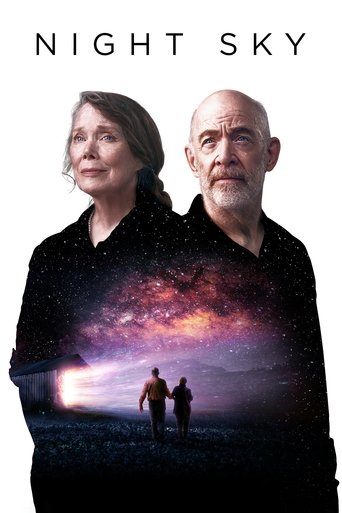
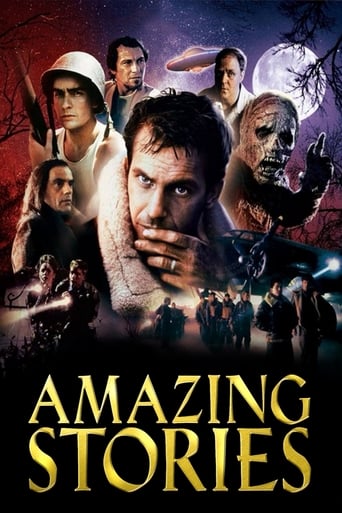
Twenty-five series are science fiction or fantasy, and the science fiction and fantasy guide lists them. Amazing Stories, created by Steven Spielberg in 1985, is an anthology of half-hour tales, each by a different director, in a spirit of wonder. Max Headroom, from 1987, imagined a future ruled by television networks and a computer-generated presenter with a stutter, and looks more prophetic every year. Journeyman is about a San Francisco reporter who begins slipping backwards in time, and Time After Time sends the novelist H. G. Wells to modern New York. Night Sky, from 2022, stars Sissy Spacek and J. K. Simmons as a retired couple with a secret in the garden shed: a chamber that looks out on another planet.
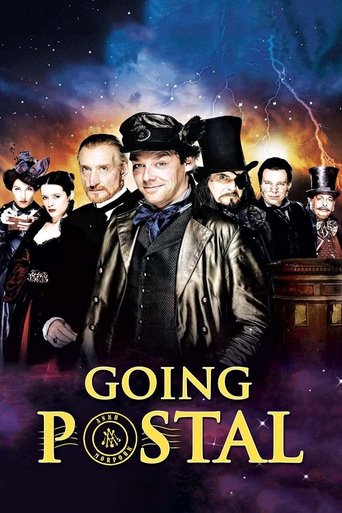
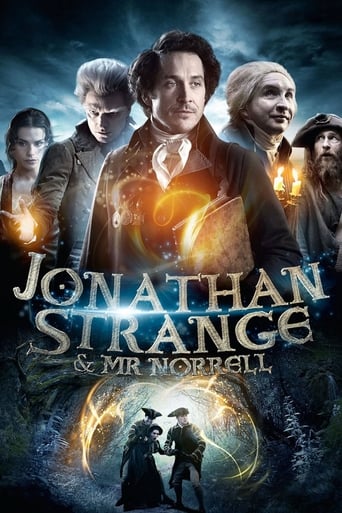
Much of the list is comic. The Tick, from 2001, is a superhero spoof about a large, cheerful and very literal-minded champion in a blue suit. Hyperdrive follows the crew of a British spaceship whose mission is to promote trade, Other Space an inexperienced crew lost in an unknown universe, and Zapped an office worker transported to a medieval town of wizards. Making History gives a university caretaker a time machine in a duffel bag, and Kevin (Probably) Saves the World an ordinary man a mission from above. Two British fantasies are grander: Jonathan Strange & Mr Norrell, about the return of magic to England in the age of Napoleon, and Going Postal, from a novel by Terry Pratchett, in which a trickster is given charge of a derelict post office.
Hospitals
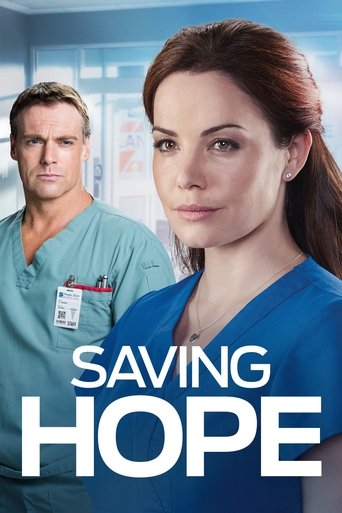
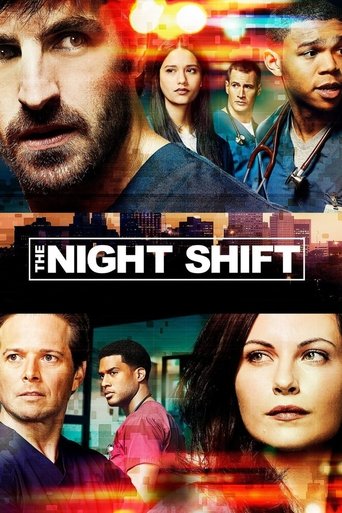
Sixteen series are set among doctors and nurses, and the hospitals guide lists them. Canada has made a speciality of the form. Saving Hope is set in a Toronto teaching hospital whose chief of surgery lies in a coma, Transplant follows a doctor from Syria rebuilding his career in an emergency department, Nurses five newly qualified nurses, and SkyMed the pilots and nurses of an air ambulance in northern Manitoba. From the United States come The Night Shift, about the after-dark staff of a hospital in Texas, and Emily Owens, M.D., in which a new intern finds that hospital life is very like school. The Good Karma Hospital takes a young British doctor to a cottage hospital on the coast of southern India, and A Gifted Man is about a surgeon who starts a free clinic.
Drama
Eighty-five series are dramas, and the drama guide groups them. Family dramas are the heart of the list. Brothers and Sisters, from 2006, gathers five grown children and their mother, played by Sally Field, around a family business in California. Judging Amy follows a judge of the family court who has moved back in with her mother, a social worker. Army Wives is about the families on an army post in South Carolina, and Council of Dads about a father who asks his friends to look after his children. The A Word, from 2016, set in the Lake District, shows a family learning that their five-year-old son is autistic, and is funny as well as true.
Country life has its devoted audience. McLeod's Daughters ran for eight seasons in Australia: two half-sisters inherit a cattle station in the outback and run it with an all-female team. Northern Rescue moves a search-and-rescue commander and his three children to a small Canadian town. The Newsreader, set in a Melbourne television newsroom in 1986, and Quiz, about a famous dispute on a British game show, are sharper modern pieces. Scarlett continues the story of a famous novel of the American South.
Seasons and episodes
A series is watched differently from a film, and the seasons and episodes guide explains how the pages help. Each series page lists its seasons in order, with the year of each and the number of episodes, so that a viewer can see at a glance what is being taken on. Lengths vary enormously. An American network sitcom of the old school made twenty-two or more episodes a year, and The Waltons, Night Court and Murphy Brown each passed two hundred. A British sitcom made six, and the whole of Blackadder comes to twenty-four episodes. A classic serial is usually complete in four to eight parts.
Fifty-six series here are complete in one season, and the single-season guide picks through them. Some were designed that way, like the literary serials. Others were comedies that deserved longer lives, and they make very good weekend viewing for exactly that reason: Selfie, a modern version of the Pygmalion story; Enlisted, about three brothers at an army base in Florida; Better With You, about two sisters and their parents; Mr. Sunshine, with Matthew Perry as the manager of a sports arena; and The Class, about the reunion of a primary school class twenty years on.
Thirty-seven ran for seven seasons or more. With these it is perfectly reasonable to start in the middle. Sitcoms are built so that any episode can be a first one; the characters are introduced afresh each week by what they do. Serial dramas are another matter and are best begun at the beginning. Where a series changed over its life, as Only Fools and Horses did when its episodes lengthened, or Upstairs, Downstairs did as it reached the twenties, the season list makes the stages plain.
Six decades of television
The decades guide follows the catalogue through time. The twenty-nine series from before 1980 belong to the age of three or four channels, when a successful programme was watched by a large share of the whole country at once. That shared audience explains their breadth of appeal: they had to please grandparents and children together. The forty-seven series of the eighties and nineties come from the high summer of the network sitcom, with its studio audiences and theme songs that everyone could sing.
The thirty-two series of the 2000s show the form loosening, with single-camera comedies, shorter seasons and cable channels trying new subjects. The eighty-four series since 2010 belong to the age of streaming, in which a series may be made in eight episodes, released all at once and watched anywhere in the world. Period drama and programmes for young viewers have flourished in this period, and so, perhaps unexpectedly, has the gentle comedy of ordinary life.
Choosing well
A few habits help with choosing. For a mixed household, the classic sitcoms and the panel shows are the surest ground; an episode lasts under half an hour and can be enjoyed cold. For a longer evening, a period serial can be taken two episodes at a time. For teenagers, the school dramas and the comic science fiction are good places to begin. Top rated holds the thirty-five series with a viewer score of 7.7 or more, with Dickinson, When Hope Calls and Lark Rise to Candleford in the lead.
Search, lists and My List
The search field in the header answers as you type and sets aside filler words such as watch, online and free. The finding titles page describes the search, the lists and the A to Z, which sets out all 192 series in alphabetical order.
Twenty-two lists divide the catalogue. Two follow kind: comedy and drama. Eight are the channels: classic American sitcoms, modern comedy, British comedy, period drama, science fiction and fantasy, young viewers, sketch and panel shows, and hospitals. Two follow setting, at work and at home, and two follow length, single season and long runners. Six follow the decades, Top rated holds the highest scored series, and All titles holds everything. A series may sit in several lists at once, so Blackadder is found under comedy, British comedy, period drama and the 1980s alike.
My List is your saved row of series. Each series page carries an Add to My List button, and the mustard My List button in the header opens the row as a grid of posters. It is kept by the browser on this device only and reappears each time you come back, and the list page can write it to a file to restore elsewhere. The My List page gives the steps, and the how to watch page explains the path from a title to a service.
A series page on Cinemove is laid out for a quick decision: the still and poster first, then the years and genres, the story in a paragraph, the cast, the seasons with their episodes, and finally the country selector with its Watch now button. Fifteen countries are offered, and the choice is remembered for the next series.
Four evenings of television
A simple plan shows the range. On the first evening, two episodes of an American classic: The Mary Tyler Moore Show or Newhart. On the second, British comedy: Only Fools and Horses, or Blackadder for older viewers. On the third, a period serial: the opening of Bleak House or Lark Rise to Candleford. On the fourth, something for everyone at once: Taskmaster, with The Waltons to close the evening. After that the channel guide on the home page will carry you on.
Questions and answers
Questions
What is Cinemove?
Cinemove is a guide to 192 English-language television series from 1962 to 2026, each with its story, seasons and a Watch now button to the official services that carry it.
Which series should I watch first?
Start with The Waltons, Only Fools and Horses or Lark Rise to Candleford. They introduce American family drama, British comedy and the period serial.
Is the catalogue suitable for families?
Yes. Every summary was read by hand, and police and crime dramas, reality programmes, soaps and adult comedy were left out.
Does Cinemove list seasons and episodes?
Yes. Every series page lists its seasons in order with the year and the number of episodes in each.
Are there short series?
Yes. Fifty-six are complete in a single season, among them Bleak House, Quiz and A Gentleman in Moscow.
Where do the series come from?
A hundred and twelve are from the United States, sixty-five from the United Kingdom, and the rest from Canada and Australia.
How does My List work?
Press Add to My List on any series page. The list is kept by the browser on this device, and the list page can write it to a file.
Does Cinemove host episodes or downloads?
Cinemove is a guide only. Every Watch now button opens JustWatch, which lists the official streaming, rental and purchase services for your country.
